Fire within, cold without…
Finished the first week of January, moon first quarter: the long awaited second batch of Adramelech incense is here. It is so far my most eclectic and also most tedious incense blend in the making. Deep yet aerial, fiery yet also fresh, repulsive yet also strangely attracting – an incense both for the living and the dead.
The incense includes some rare herbs and complex resins such as elemi, opoponax, guggul and galbanum. The spiritual and magical links to the deity Adramelech have been discussed before. This time I will highlight the ingredients that compose this kaleidoscope of fragrant herbs, resins and woods. This is part I.

Adramelech Incense, January 2017
Keywords: Adramelech (name of qliphotic ruler), Samael (name of qlipha, meaning “poison of god” or “blindness of god”), Shaarimoth (name of infernal habitation, meaning “gates of death”)
Associations: Mercury, cunning, eloquence, wit, seduction, trickery, disobedience to God, intoxication, oneiromancy, necromancy, knowledge about poisons
A blessed seed…
Black caraway (Nigella sativa) is also known as black cumin and blackseed. The small black seeds are aromatic and used as a spice. Their aroma is described as a mix between onion, black pepper and oregano. N. sativa was a traditional Old world condiment. N. sativa seeds have been found in several sites from ancient Egypt, including Tutankhamun’s tomb, though its exact function in this context is unclear. It is mentioned in Isaiah 28: 25, 27, where the reaping of nigella and wheat is contrasted. In Islam it is believed, the black seed heals all except death. The famous Persian physician Avicenna describes N. sativa and mentions in particular its use for dyspnea. The oil is used to treat allergies and asthma as well as gastrointestinal diseases and many other health related issues, and is even capable of suppressing cancer cell growth. In magical literature the seeds are also referred to as “blessing seeds”. As the name suggests, the seeds are used for blessing, but also to bring forth the truth and to ritually banish bad people. The black seed is an essential ingredient in this incense blend.
Spicing up…
Caraway (Carum carvi) is a culinary herb, which has been used for at least 3000 years. In folk medicine it is well known as a carminative and galactogogue. In folklore and magic caraway is attributed with the power to be protective of Lilith (particularly pertaining to newborns) and any form of “evil”, e.g. it is thought to protect from sickness and the evil eye. The seeds are carried as a protection against theft. Caraway is a herb ruled by mercury. Harold Roth notes that its aroma has something earthy about it, hence caraway may qualify for psychopomp rituals. Besides this caraway is considered lust inducing and employed in sexual attraction spells. Chewing the seed is thought to help attract the love of the one desired. Truth is, chewing a few caraway seeds helps against bad breath. Caraway is also a natural pesticide. I chose to include caraway in this blend because my attention was drawn towards umbelliferous herbs in connection with this qlipha. It teams up herein with common fennel and poison hemlock.
Bittersweet and soothing…

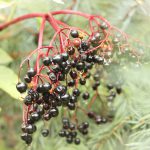
Bittersweet nightshade (Solanum dulcamara), also known as woody and climbing nightshade, fellonwort, poisonberry, poisonflower, scarlet berry, snakeberry, trailing bittersweet, trailing nightshade, violet bloom, blue bindweed and amara dulcis. This plant is one of my favorites. It is a climber that can take over hedges if permitted and – just like a snake – as long as it finds something to support itself. The branches can get up to 7 meters long. The plant, including its lovely purple flowers, is the stuff that fairy tales are made of. The bright red berries taste bittersweet and are a temptation to try, especially for children. But all parts of the plant, including the ripe fruits, are poisonous. The stems of bittersweet nightshade contain cortisone-like substances. Its folk medicinal applications include blood cleansing teas, treating nausea, vertigo, rheumatism, skin diseases, chronic bronchitis and asthma. The bitter sweetness is a reminder to consider both sides of the story. It could stand for the joys and pains of amorous affairs and romances, or the ‘price to be paid’ when the luxuries of the one are built upon the laborious, literal ‘dog’s life’ of others. In this context bittersweet nightshade may function as a soother as well as a revealer. Harold Roth mentions its magical potential for healing bitter memories and bringing balance. Bittersweet nightshade inhibits immune overreaction and eases stress-related symptoms such as neurodermitis. It may be helpful in stressful periods resulting from heavy work load or pressure to succeed as well as for overcoming loss. As such it shows typical mercury ruled attributes. Contained herein are the bittersweet nightshade’s leaves, stems and fruits.
A sexy and deadly devil…
Another poisonous plant ruled by mercury is the cuckoo-pint (Arum maculatum), also known as common arum, adder’s root, arrow root, lords-and-ladies, naked girls, naked boys, Adam and Eve, jack in the pulpit and devils and angels. Already the plant’s folk names are suggestive of the ‘devil’ and carry plenty of sexual allusions. Its dark green leaves are spade-shaped, with a lustrous surface and sometimes carry distinct purple spots. The shape of the flower resembles a chalice or vulva with a phallus-like inflorescence emerging at the center, which emits a scent imitating decay to attract flies as pollinators. It later transforms into a shiny, bright-red or orange infructescence. Arum grows in shady and damp places. The venific nature, voluptuous appearance and cold moistness connected to the arum are aspects I have also come to associate with the qlipha Samael. The name devils and angels in addition carries a nice link to the ambiguous nature of its ruler, who occurs both as an arch-demon and arch-angel. Common arum is poisonous in all parts, the root though would be roasted and eaten, as it is rich in starch. This blend contains the cuckoo-pint’s root.
Marked…

The next plant is even better known for its peculiar markings. Scattered across the pale green stems and leaf axils of the poison hemlock (Conium maculatum) are dark red to brownish-purple spots. Due these markings plants are given the specific name, maculatum, meaning “stained” or “spotted”. In the esoteric world these markings are viewed as a signature left by the serpent Samael on the plant in the same way that he gave the Mark to Qayin. This mark is a warning to others and at the same time protects its wearer from harm. In the case of the plant it visually distinguishes the poisonous hemlock from harmless lookalikes, such as Parsley or Queen Anne’s Lace. Hemlock brings a slow, cold death. Socrates, an impudent seeker of truth and opposer of authority, was sentenced to death through the poison chalice, which contained fresh hemlock seeds and opium. For this and other reasons poison hemlock is an essential ingredient in this incense blend in his roll as poisoner and lurer at the “gates of death”, as well as protector of the cursed. By extension the herbs functions also as keeper at the threshold of sleep. This blend contains poison hemlock seed, flower, leaf and stem. Btw. poison hemlock stinks! The animalic odor however is covered by the other fragrant ingredients used in this blend.
Eye-opener…

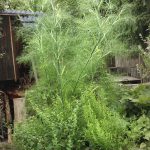
The third herb in the umbellifer family is common fennel (Foeniculum vulgare). This herb was actually among the first ingredients and became a main inspiration for this incense formula, when observing the huge fennel stalks in our garden reaching high towards the sky and swaying majestically in the wind. Fennel is a fiery herb, said to strengthen eye sight and attributed with divinatory and overall benific properties. Contained in this blend are fresh fennel seeds from our garden as well as sweet green fennel seed. Its Mediterranean cousin, the Giant Fennel (Ferula communis) features prominently in Greek myth: Prometheus stole the fire from Mount Olymp and delivered it to mankind, carrying its flame in a giant fennel stalk. With his trickery and theft Prometheus brings, not for the first time, the wrath of Zeus upon him, who has Prometheus chained to a rock and his liver eaten out by an eagle (Zeus himself). As the blood of Prometheus was spilled across the land, a new plant grew where the drops hit the soil. This plant is called “blood of Prometheus” and is thought to have manifested either as the poisonous meadow saffron (Colchicum autumnale) or the miraculous mandrake…
Witty tricksters and soothsayers…

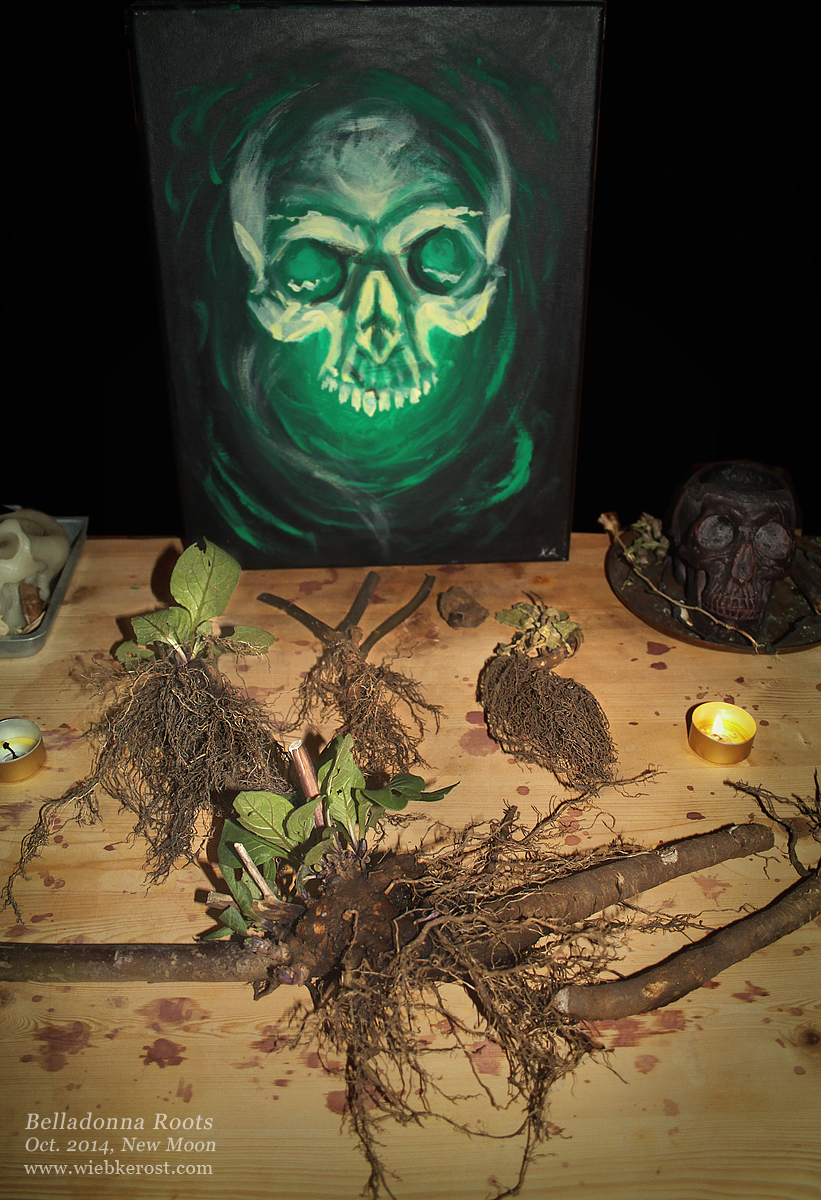
I have written about and continue to illustrate my visions pertaining to the mandrake (Mandragora officinarum). It was some years ago that I started to grow mandrake by myself, use it in ritual and make art about it. All along I could watch online prices for mandrake root sky-rocket. You can buy whole roots or pieces for hundreds of dollars. The root, alive or dead, is worshipped and serves as a potent magical tool. As such it appears to fulfill all of a person’s magical desires, whether employed as a poppet, infused in oil or burnt as incense. I remember the first time I did just that: a single piece of mandrake root placed on hot coal as the crowning offering after a long and exhaustive ritual. It was an important working and with mandrake it is best kept this way. It is reserved for “special occasions”. The blend for Adramelech contains mandrake, due to its powerful links to infernal necromancy and other types of divination, e.g. via the alraun or homunculus, which, if fed correctly, would bring fortune, answer the owner’s questions and foretell the future. Secondly mandrake is linked to cunning, trickery and thievery, e.g. through the connection with aforementioned antagonistic hero of Greek myth, but also because it is one of the most forged magical tools in history. Heroic trickster gods embody the darker aspects of mercury perfectly. Hence corporeal links to their plant allies belong in this blend for Adramelech-Samael. This blend contains mandrake root and leaf.
Lending a hand in magic and cunning…

The fronds of the male fern (Dryopteris filix-mas) remind of the peacock’s fan. Colonies of male fern plants may be as dazzling to the eye as the peacock’s display of plumage and have been reported to cause vertigo and disorientation in wanderers. It is said that he, who finds himself alone amongst the fern at midnight, will meet the demon Puck, messenger of the fairy king, who will bestow the lucky fool a purse filled with gold. The devil will bestow the “lucky hand” and along with it protection from the fiery element to whoever seeks the male fern’s root on the Eve of St. John. Power of enchantments, riches and overall luck count among the benefits bestowed by this magical herb. The seed is said to make its wearer invisible. Male fern was also thought to repel serpents. Proven are indeed the male fern’s vermicidal properties. Beware though, the whole plant is poisonous. This blend contains fresh male fern root and leaf.
For ordering write to info@teufelskunst.com
April 16, 2016
Posted In: Incense, Herbs & Seeds
Tags: qliphotic incense, blessed seed, ritual incense, cunning, divination, incense blends, mark of the devil, oneirogenic, trickster, oneiromancy, qliphoth, divination & dream, adramalik, oneiric, adramelek, necromancy, andramelech, adramelech, black seed

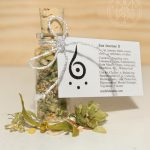
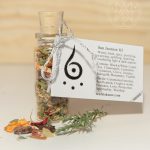
 Each box is pyrographed with the Teufelskunst Sigilum Maior/greater sowing seal on the cover and Sigilum Minor/lesser sowing seal on the inside. The boxes are stained in a warm red hue and finished with a thin layer of transparent varnish. There are THREE boxes filled with seeds (see the listing of the exact content
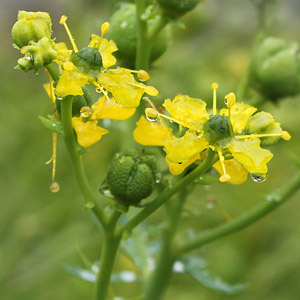










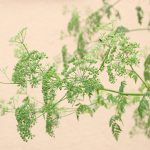
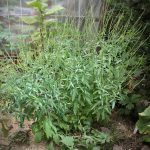
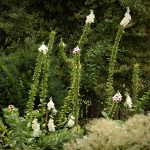
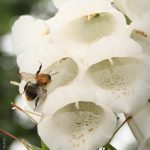
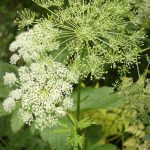
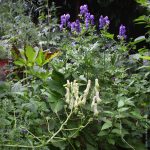
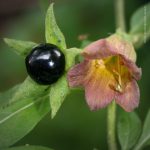
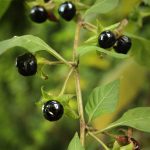
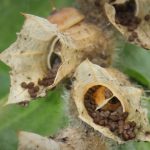
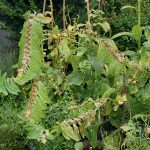
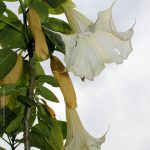
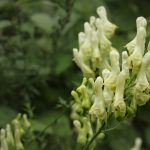
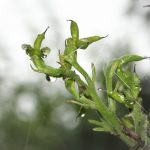
 There is another herb currently flowering and bringing me much joy. And this herb shall introduce the stroll through the venific garden. The herb I am talking about is the White Henbane (Hyoscyamus albus). Sometimes it is also referred to as Yellow Henbane. This herb is a
  The stamina are coming more out of the bell-shaped flower chalices and are a pale yellow
 The White Henbane is native to the Mediterraneans and likes hot and dry climates. I actually think to have seen it growing wild by the sea when visiting Malta! Hence I guess last year was simply too rainy and cold for the plantlets. This year I could sow earlier and the temperatures have been relatively warm and stable. Anyway, I have not worked with the plant further than growing it. I imagine thought it will make a fine addition to white powders and incense for divination and necromancy – possibly also for restoring lost memories. And it makes me think of summer, sun and the sea! All this in mind I am starting to wonder whether this is not the actual herba apollinaris, which was part of divinatory incense offered up to the oracle at Delphi…
 You see the flowers are also slightly larger and of course the purple veins spread all across the yellow petals!
  And remember the story about Python slain by Apollo? Its body fell into a crevice in the ground and from the decomposing corpse intoxicating vapors rose up. Above that mythical place the oracle of Delphi was built and the priestess (Pythia), inhaling the fumes, became possessed by Apollo to foretell the future. It all leads again to that oracle… perhaps it’s time to offer some Delphian oracle incense? But least we forget, Henbane was also part of Pillars